Members
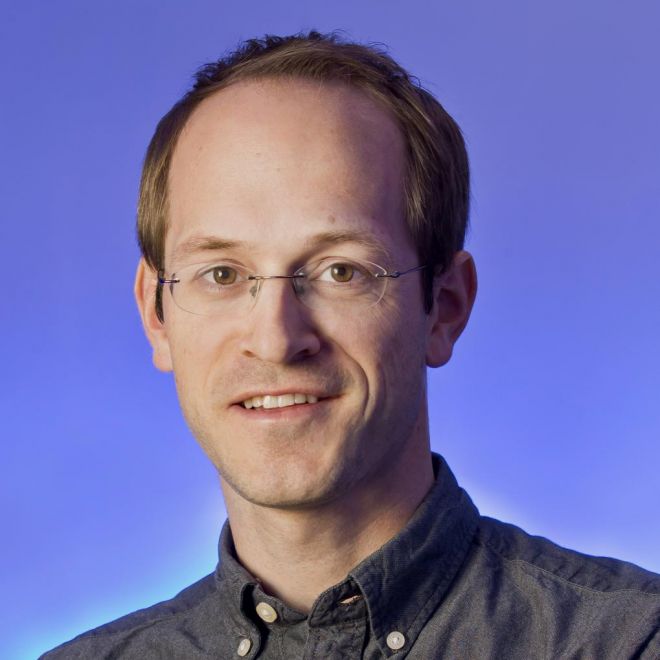
Andrew Childs
Andrew Childs, co-director of QuICS, is a professor in the Department of Computer Science and the Institute for Advanced Computer Studies (UMIACS). He is also the director of the NSF Quantum Leap Challenge Institute for Robust Quantum Simulation.
Childs’s research interests are in the theory of quantum information processing, especially quantum algorithms. He has explored the computational power of quantum walk, providing an example of exponential speedup, demonstrating computational universality, and constructing algorithms for problems including search and formula evaluation. Childs has also developed fast quantum algorithms for simulating Hamiltonian dynamics. His other areas of interest include quantum query complexity and quantum algorithms for algebraic problems.
Before coming to UMD, Childs was a DuBridge Postdoctoral Scholar at Caltech from 2004-2007 and a faculty member in Combinatorics & Optimization and the Institute for Quantum Computing at the University of Waterloo from 2007-2014. Childs received his doctorate in physics from MIT in 2004.
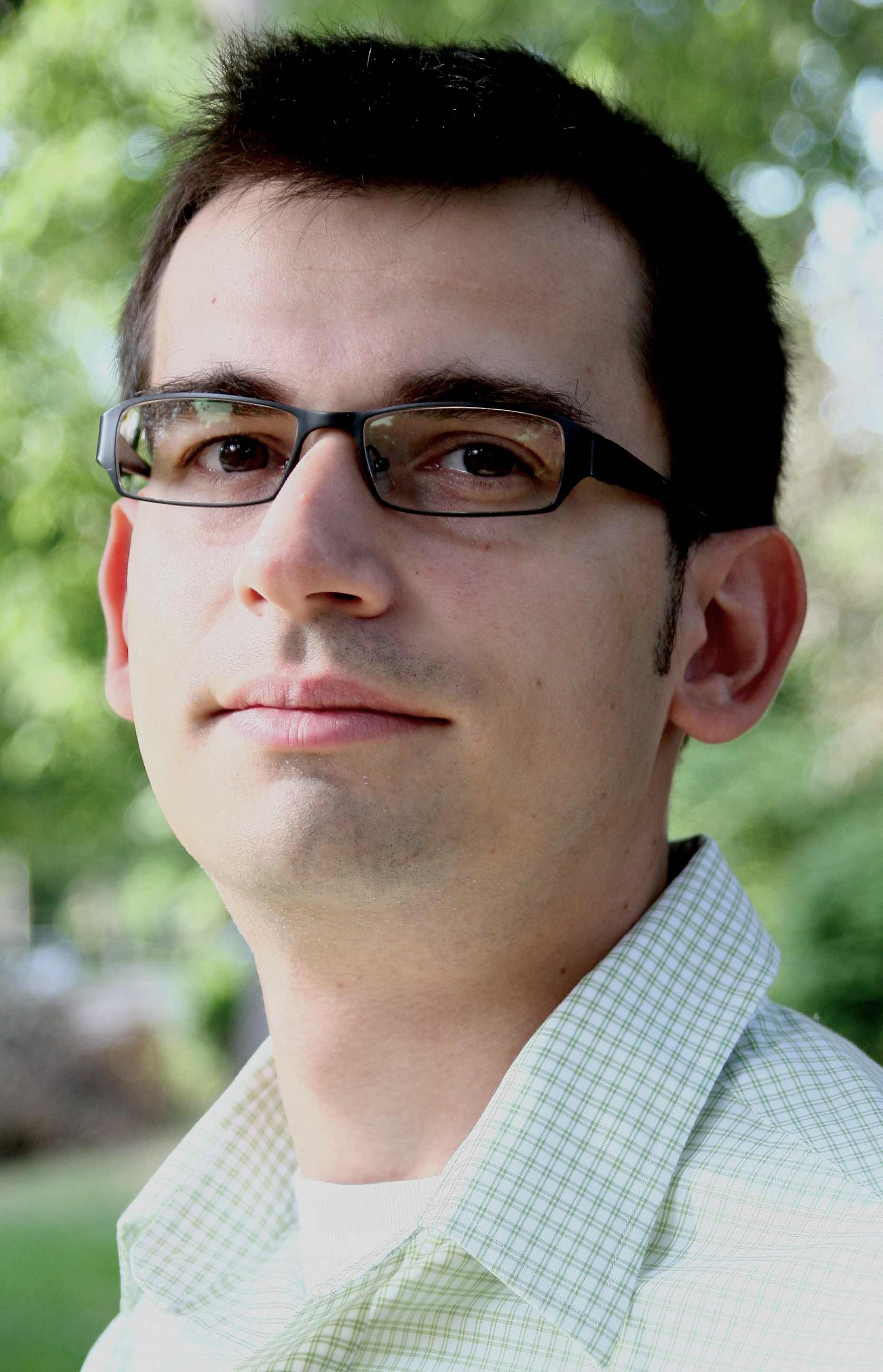
Emil Constantinescu
Emil Constantinescu is a research scientist in the Mathematics and Computer Science Division at Argonne National Laboratory, and scientist-at-large at the Consortium for Advanced Science and Engineering at The University of Chicago. He holds a PhD in applied mathematics and statistics. His research interests include numerical analysis, uncertainty quantification, inverse problems, data assimilation, and high-performance computing. He received the Department of Energy Early Career award in 2014.
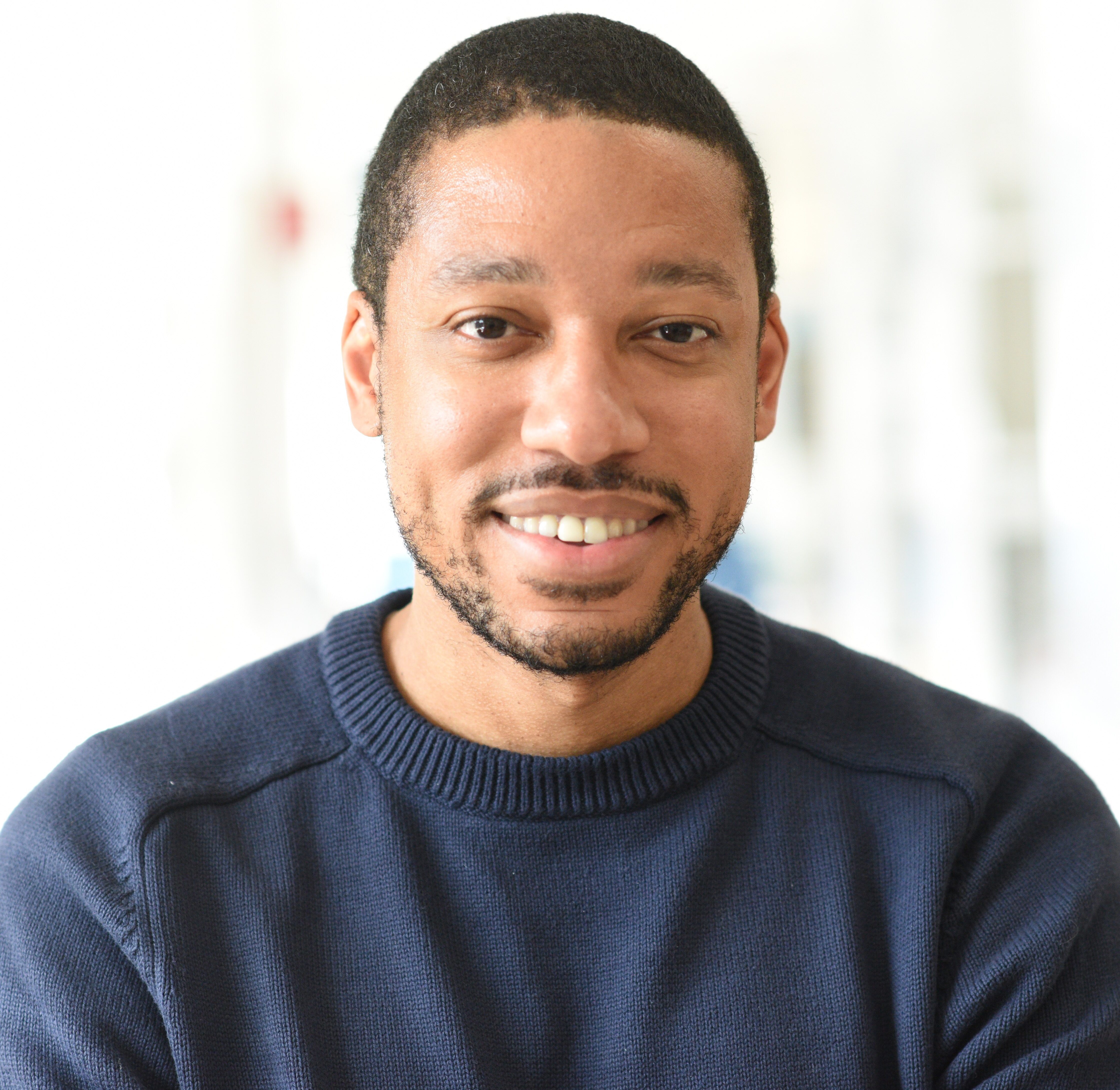
Lorin Crawford
Lorin Crawford is a Principal Researcher at Microsoft Research. His research program focuses on developing interpretable machine learning and AI algorithms to study how genetic effects and gene-by-environmental interactions influence complex traits and disease progression. As part of this work, he co-leads Project Ex Vivo, a collaborative effort between Microsoft and the Broad Institute focused on defining, engineering, and targeting cell states in cancer. Dr. Crawford has been featured on Forbes 30 Under 30 and The Root 100 Most Influential African Americans list. He has also received an Alfred P. Sloan Research Fellowship, a Packard Foundation Fellowship for Science and Engineering, and a COPSS Emerging Leader Award.

Sandrine Dudoit
Sandrine Dudoit is Associate Dean for the Faculty in the Division of Computing, Data Science, and Society, Professor in the Department of Statistics, and Professor in the Division of Biostatistics, School of Public Health, at the University of California, Berkeley.
Professor Dudoit’s methodological research interests regard high-dimensional statistical learning and include exploratory data analysis (EDA), visualization, loss-based estimation with cross-validation, and multiple hypothesis testing. Much of her methodological work is motivated by statistical questions arising in biological research and, in particular, the design and analysis of high-throughput sequencing studies. She is also interested in statistical computing and, in particular, computationally reproducible research. She is a founding core developer of the Bioconductor Project, an open-source and open-development software project for the analysis of biomedical and genomic data.
Professor Dudoit is a co-author of the book Multiple Testing Procedures with Applications to Genomics and a co-editor of the book Bioinformatics and Computational Biology Solutions Using R and Bioconductor. She is Associate Editor of three journals, including The Annals of Applied Statistics and IEEE/ACM Transactions on Computational Biology and Bioinformatics. Professor Dudoit was named Fellow of the American Statistical Association (2010), Elected Member of the International Statistical Institute (2014), and Fellow of the Institute of Mathematical Statistics (2021).
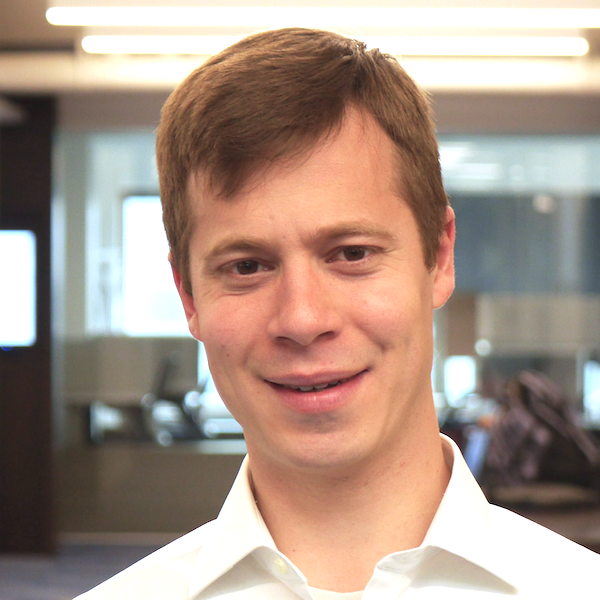
Bill Fefferman
Bill Fefferman is an Associate Professor in the Department of Computer Science at the University of Chicago. Fefferman’s research explores the power of quantum computers in both the near-term and the indefinite future. He is the recipient of an NSF CAREER award (2020), a Young Investigator Award from the Air Force Office of Scientific Research (2018), and a Google Scholar Award (2022). Before coming to Chicago he held research positions at the University of Maryland/NIST
and at the University of California at Berkeley. He received his Ph.D. in computer science in the Department of Computer and Mathematical Sciences and the Institute for Quantum Information and Matter at Caltech.
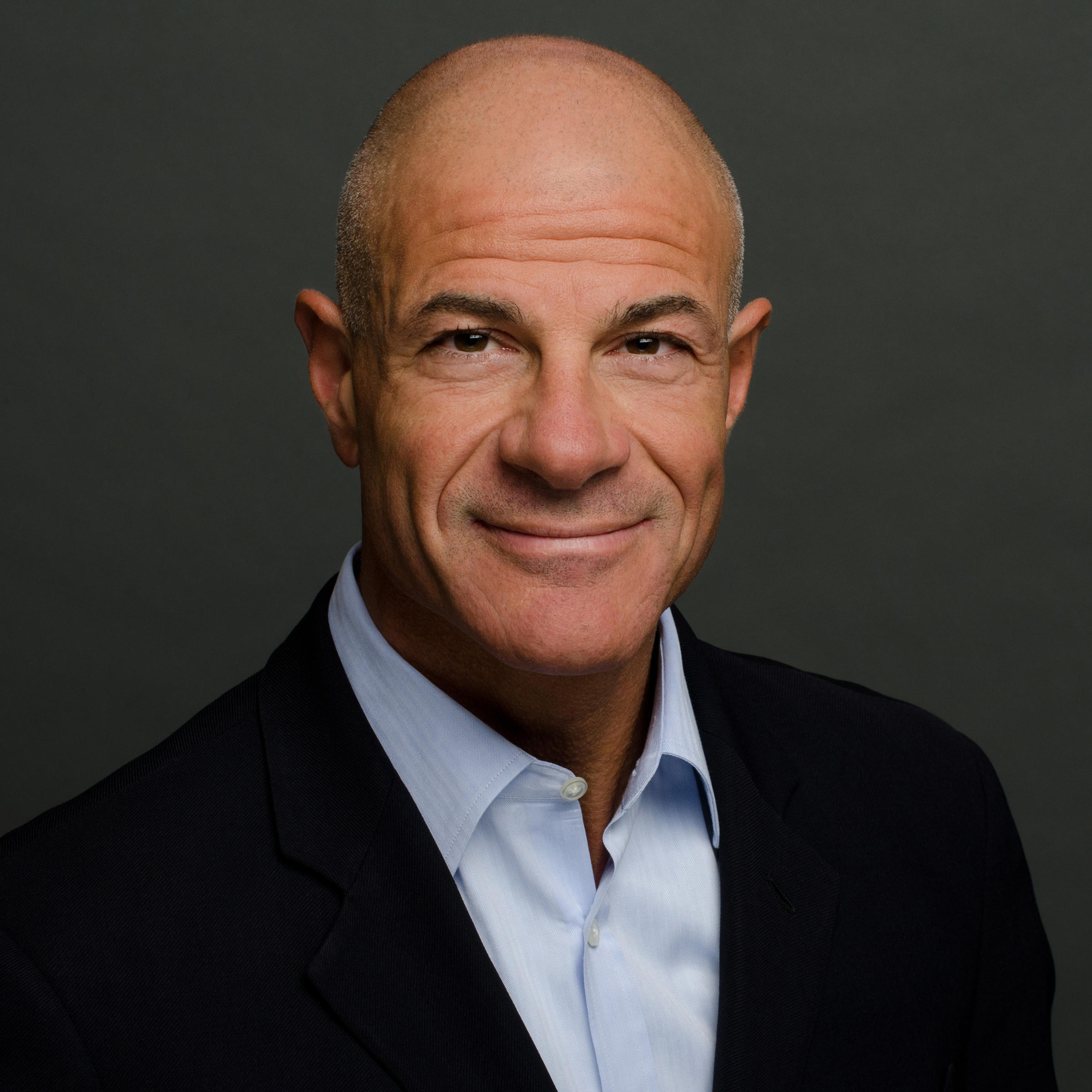
Omar Ghattas
Omar Ghattas is Professor of Mechanical Engineering at The University of Texas at Austin and holds the Cockrell Chair in Engineering. He is also Principal Faculty and Director of the OPTIMUS (OPTimization, Inverse problems, Machine learning, and Uncertainty for complex Systems) Center in the Oden Institute for Computational Engineering & Sciences, and a member of the faculty in the Computational Science, Engineering, and Mathematics graduate program. He holds courtesy appointments in Earth & Planetary Sciences and Biomedical Engineering. Before moving to UT Austin in 2005, he spent 16 years on the faculty of Carnegie Mellon University. His current research focuses on theory and algorithms for large-scale Bayesian inversion, stochastic optimal control/design, and digital twins for complex engineered and natural systems. He is a three-time winner of the ACM Gordon Bell Prize, a recipient of the SIAM Geosciences Career Prize and the SIAM Babuska Prize, and a Fellow of SIAM and USACM. He holds BSE (civil and environmental engineering) and MS and PhD (computational mechanics) degrees from Duke University.
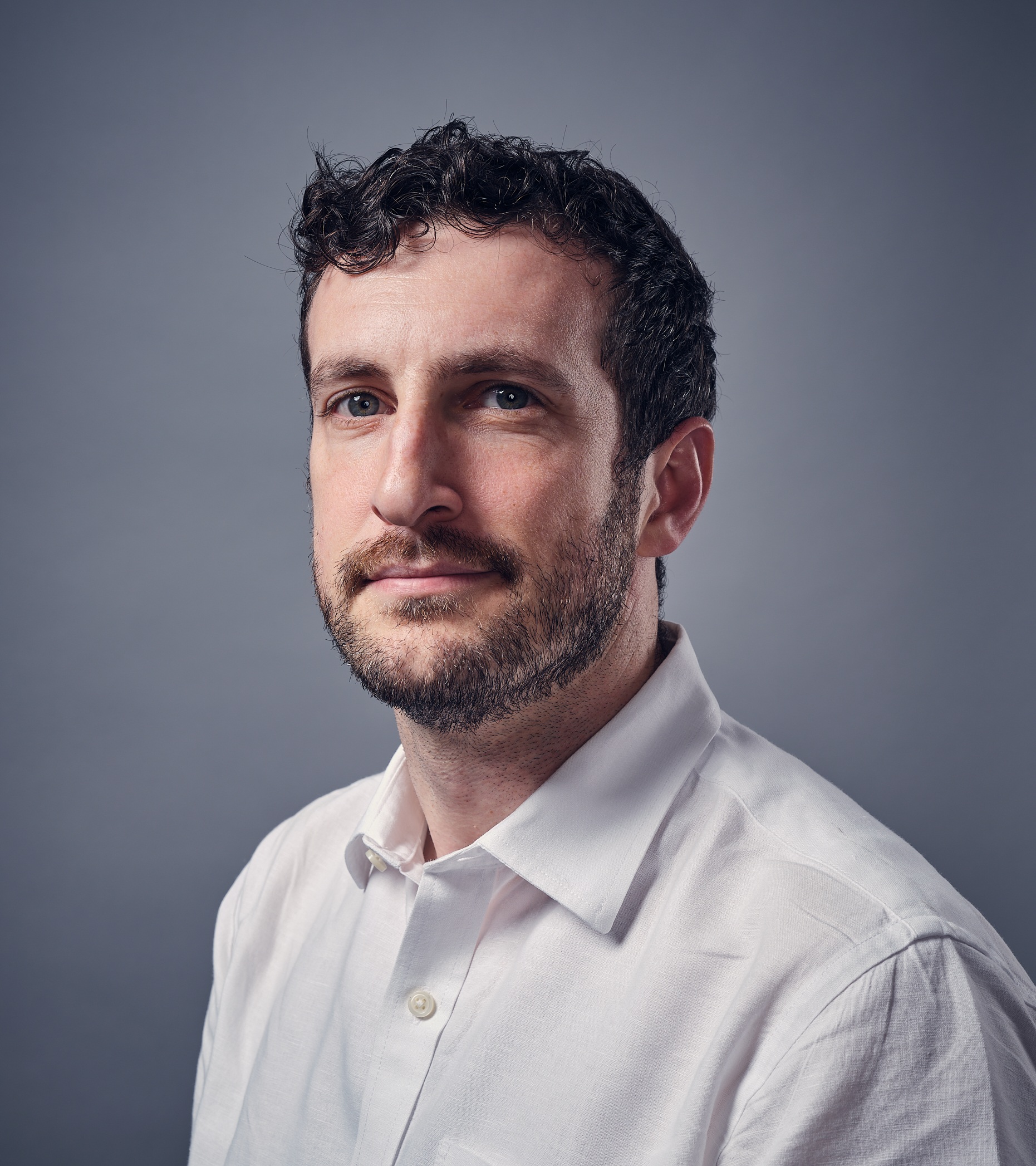
Daniel Lacker
Daniel Lacker is an associate professor in the Department of Industrial Engineering and Operations Research at Columbia University. His research is in probability theory and its applications, especially to interacting particle systems and mean field games, which form the mathematical foundation for a wide range of models of large-scale interactions arising in physics, engineering, and economics. He received an NSF CAREER award in 2021 and an Alfred P. Sloan Research Fellowship in 2024.
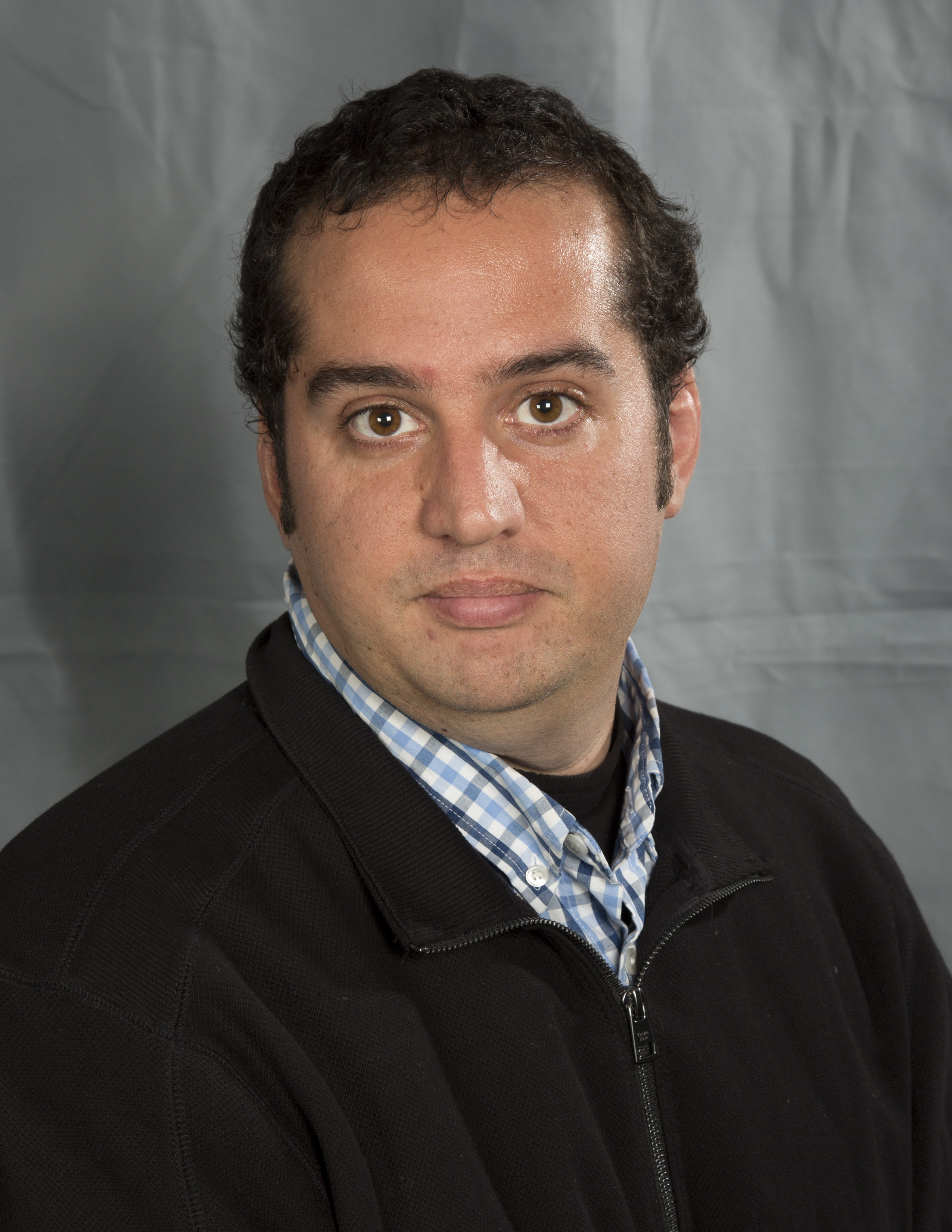
Danny Perez
Danny Perez is a staff scientist in the Theoretical Division at Los Alamos National Laboratory. His research focuses on the development, implementation, and application of atomic-scale simulation methods for materials, with an emphasis on long-time behavior and materials in extreme conditions. He led the US DOE Exascale Atomistics for Accuracy, Length, and Time (EXAALT) project, which focused on the development of ultra-scalable methodologies that can exploit exascale computing architectures. He holds a Ph.D. in Physics from the Université de Montréal.
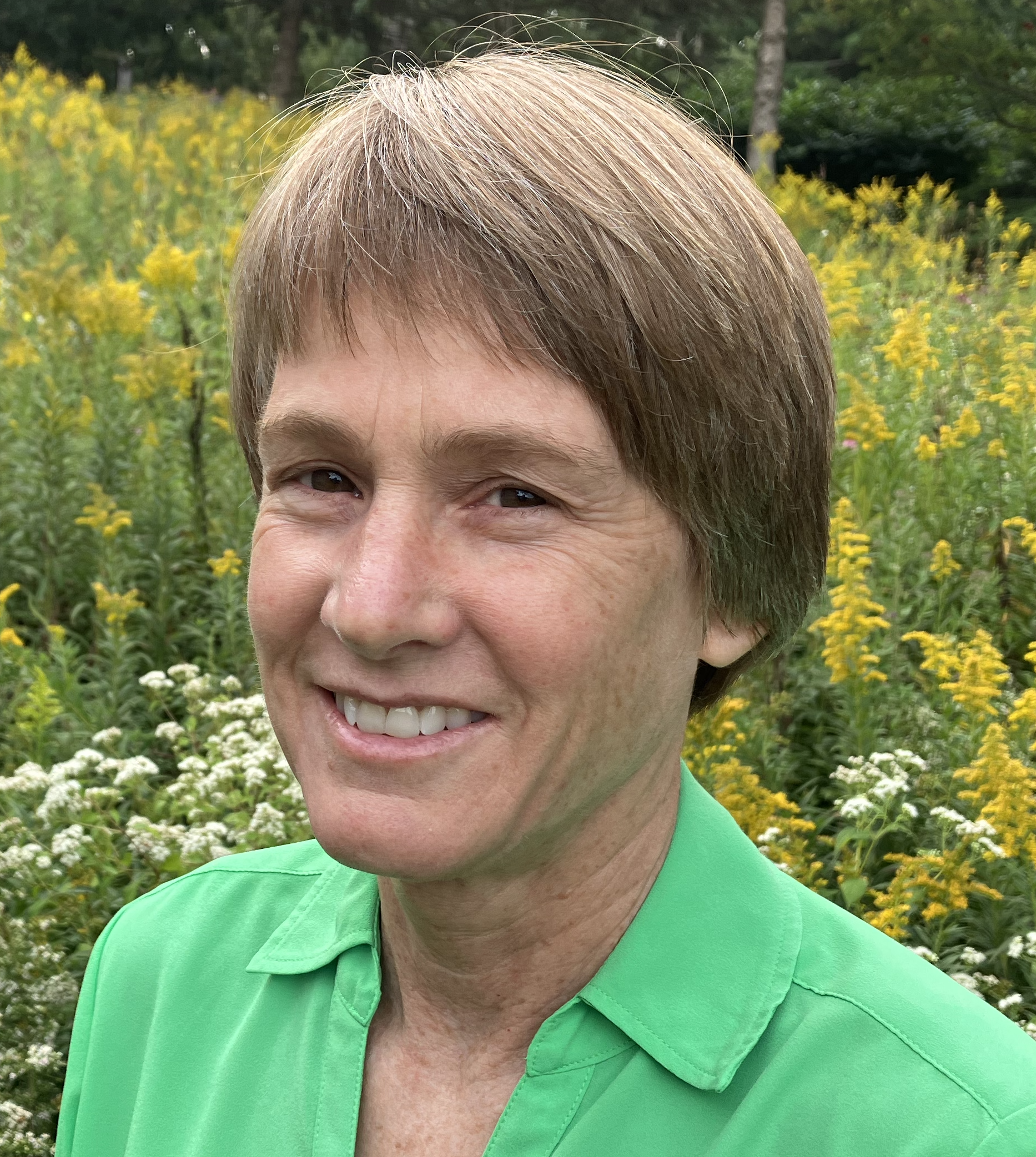
Leslie Smith
Leslie Smith is Professor of Mathematics at the University of Wisconsin-Madison. Her research interests are centered on the fluid dynamics of geophysical systems, with particular focus on atmospheric flows with phase changes of water and precipitation, and the nonlinear coupling between waves and coherent structures. Smith is Fellow of the American Mathematical Society and Fellow of the American Physical Society. She is former Chair of the UW-Madison Math Department, and currently serves on the Executive Committee of the Commission on Mathematical Geosciences of the International Union of Geodesy and Geophysics.
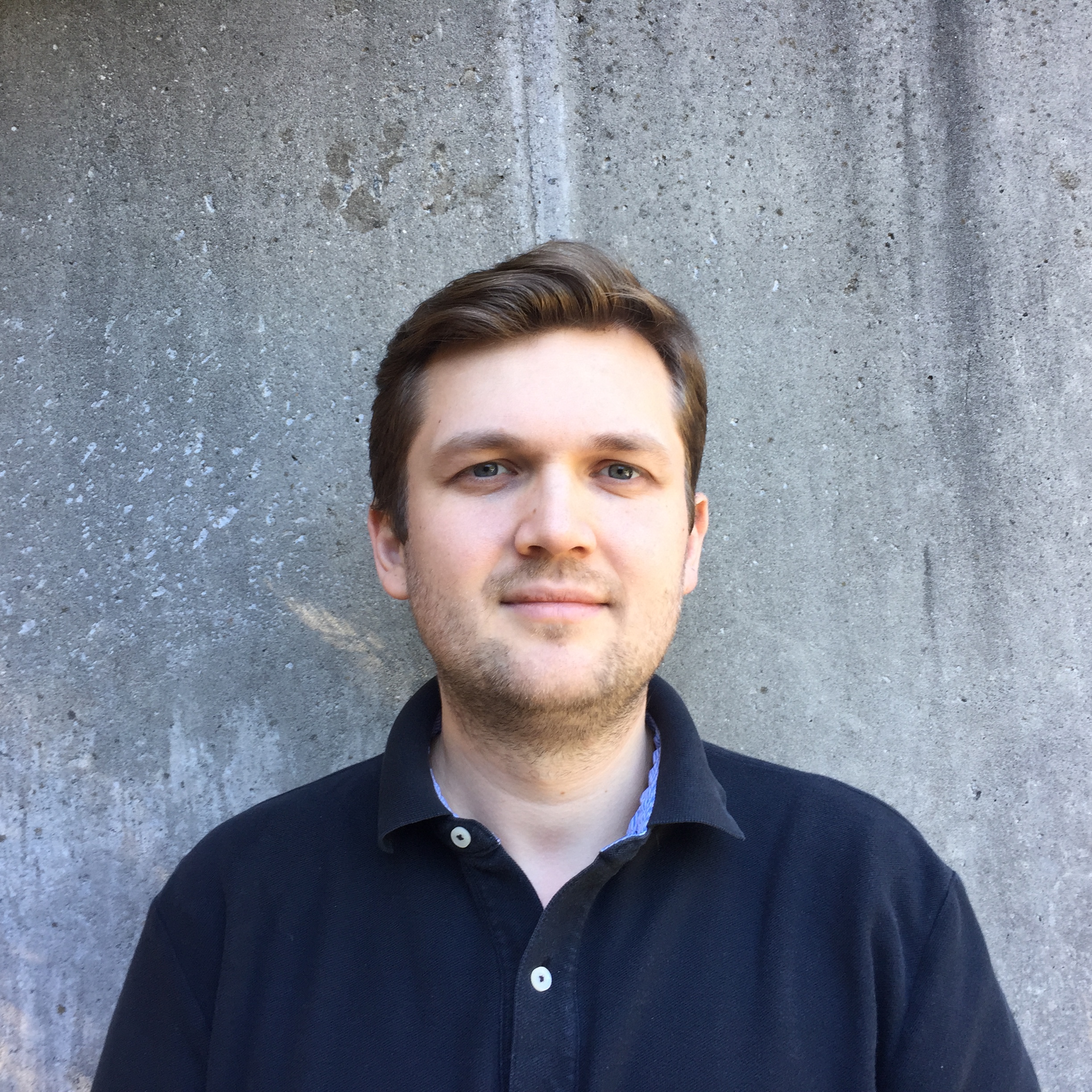
Vlad Vicol
Vlad Vicol is Professor of Mathematics at the Courant Institute of Mathematical Sciences, New York University. His research focuses on the analysis of partial differential equations arising in fluid dynamics, with an emphasis on problems motivated by hydrodynamic turbulence. He was awarded an Alfred P Sloan Research Fellowship (2015), the MCA Prize by the Mathematical Congress of the Americas (2017), a Clay Research Award (2019), he is a Fellow of the AMS (2023), and a Simons Investigator in Mathematics (2023).
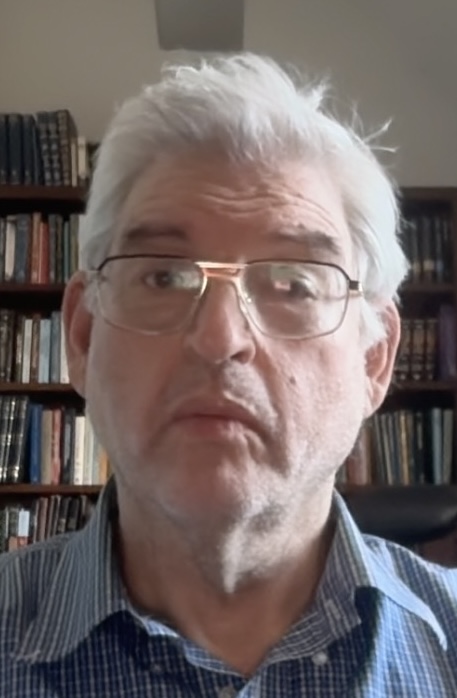
Shmuel Weinberger
Shmuel Weinberger works in geometry and topology and their applications within and outside of mathematics. His work had focused on singularities and large scale structure; these feed an obsession for quantitative topology. He received his Ph.D. from the Courant Institute in 1982, and has spent the majority of his career at the University of Chicago where he is the Andrew MacLeish distinguished service professor of Mathematics and a former chair of the Mathematics department. He is a fellow of the AMS, and of the AAAS.